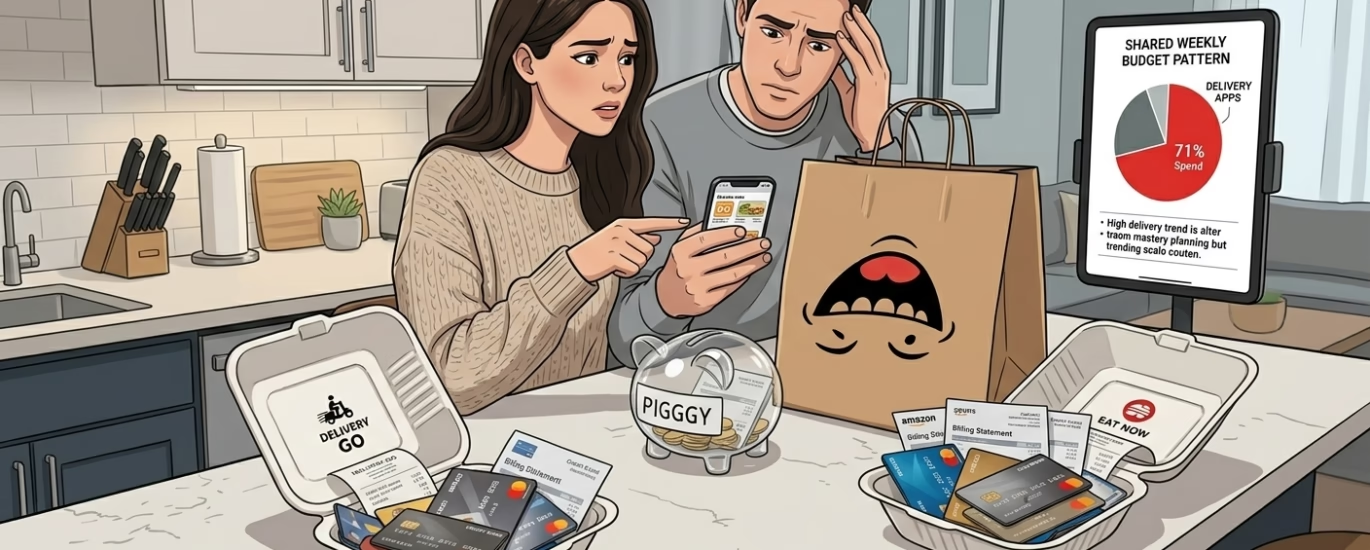
The Dinner Dilemma: How Your Food Delivery Habit is Eating Your Budget
Reclaim your finances, one home-cooked meal at a time.
It’s 8 PM. You’ve just wrapped up a long day, whether at the office or battling deadlines from home. Your stomach rumbles, but the thought of chopping vegetables, cooking a meal, and then tackling the dishes? Exhausting. So, you reach for your phone. One tap, and you’re scrolling through Swiggy or Zomato, eyeing that tempting biryani, a cheesy pizza, or perhaps some comforting momos. Within minutes, the order is placed, and relief washes over you. Dinner is handled.
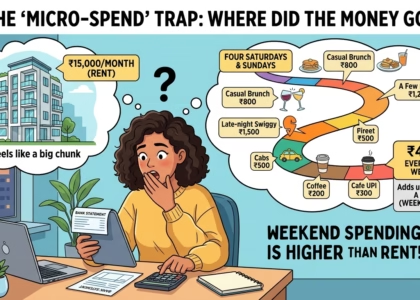
The problem isn’t the occasional treat. It’s when this convenience becomes a daily ritual, subtly draining your bank account. You might not notice ₹450 here, ₹600 there, but come mid-month, when you open your banking app and wonder, “Where did my salary disappear?” – a significant chunk of it has probably gone to those delicious, but frequent, food delivery orders. It’s a common story in Indian households, and one we need to talk about.
The Late-Night Swipe: When Convenience Costs Too Much
We live in a world designed for instant gratification. Food delivery apps nail this perfectly. They promise speed, variety, and zero effort. After a mentally draining day, our willpower is often shot, and the path of least resistance – ordering in – feels like a well-deserved reward.
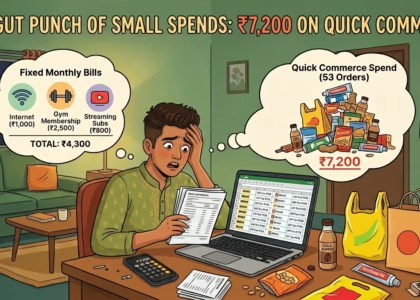
The psychological pull is strong. We’re tired, maybe stressed, and cooking seems like another chore. The apps are incredibly good at making you feel hungry even when you’re not, with mouth-watering photos and tantalizing descriptions. This combination of mental fatigue and targeted marketing means those small, seemingly insignificant orders start piling up. ₹300 for a quick lunch, ₹550 for dinner, another ₹200 for a late-night snack. Individually, they don’t seem like much, but collectively, they can quickly become your biggest unplanned expense, silently eroding your budget without you even noticing.
Beyond Hunger: The Emotional Loop of Food Delivery
Often, we order food not because we’re genuinely hungry, but because we’re feeling something else entirely. Boredom, stress, loneliness, celebration, or even just the “I deserve it” mentality can trigger that reflex to open the app.
Think about it: have you ever ordered a whole pizza after a tough day at work, even though you know you have groceries at home? Or gotten a sugary dessert delivered just to cheer yourself up? These emotional triggers create a habit loop. You feel an emotion (stress), you act on it (order food), and you get a temporary reward (delicious meal, instant comfort). This loop gets reinforced over time, making it harder to break free. It’s not just about food; it’s about a coping mechanism, and it’s a costly one. Recognizing why you’re reaching for the app is the first step towards breaking this cycle.
The Illusion of Savings: Unpacking Delivery Subscriptions
Many of us sign up for subscriptions like Swiggy One or Zomato Gold, thinking we’re being smart with our money. “Free delivery!” “Extra discounts!” sounds like a great deal, right? But here’s the catch: these subscriptions often encourage more spending, not less.
The logic goes something like this: “I’ve paid for free delivery, so I should use it to make it worth it.” This leads to ordering more frequently, even for smaller amounts, or choosing more expensive restaurants just because you feel obligated to “maximize” your subscription benefits. It’s a classic case of the sunk cost fallacy. You end up spending far more on the actual food than you saved on delivery fees, turning a perceived saving into an actual budget drain. Take a moment to truly evaluate if your subscription is saving you money or simply increasing your overall food delivery bill.
The Hidden Drain: Why you don’t see where your money goes
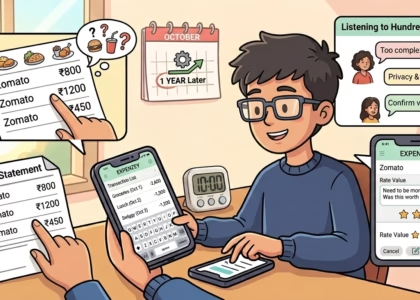
One of the biggest reasons food delivery costs spiral out of control is a simple lack of awareness. We rely on UPI apps or bank statements, which present a long list of transactions that are hard to parse. “Groceries,” “Rent,” “Electricity,” and then “Swiggy,” “Zomato,” “Domino’s” – it all blurs together.
Our brains aren’t great at mental accounting, especially when it comes to small, frequent purchases. We might have a vague idea we’re spending a bit much, but we don’t see the total impact. We lack that clear, undeniable overview of how much those late-night cravings or impromptu lunch orders are truly adding up. This is where a privacy-first, manual tracking tool like Expenzey becomes incredibly powerful. Instead of relying on a bank app that shows you a jumble of transactions, Expenzey lets you quickly jot down each order. That simple act of manual entry creates immediate awareness, forcing you to acknowledge each expenditure and its cumulative effect. You gain clarity without sacrificing your privacy.
Your “Kitchen First” Strategy: Practical Steps to Break the Cycle
Breaking the food delivery habit isn’t about giving up your favourite foods forever. It’s about being intentional and mindful. Here are some practical steps you can start taking today:
1. Start with a Simple Meal Plan: You don’t need a gourmet chef’s schedule. Just jot down 3-4 dinner ideas for the week. Knowing what you’re going to eat eliminates decision fatigue later.
2. Keep “Emergency Meals” Ready: On those days when you’re truly exhausted, having quick options like instant noodles, frozen parathas, eggs, or even pre-chopped veggies in the fridge can be a lifesaver. These are faster and cheaper than delivery.
3. Batch Cook Smartly: Dedicate an hour on the weekend to prep. Cook a large batch of dal, rice, or a vegetable curry. These can last for 2-3 days, providing easy reheatable meals.
4. Shop with a List (and Stick to It): When you go grocery shopping, buy ingredients for your planned meals. This prevents impulse buys and ensures you have what you need when hunger strikes.
5. Master 15-Minute Meals: There are countless quick and easy recipes. A simple dal tadka, an egg bhurji, or even a quick pasta can be whipped up faster than waiting for a delivery.
Reclaiming your wallet, one meal at a time
Reducing your food delivery spending is a marathon, not a sprint. Don’t aim for perfection overnight. Instead, focus on small, consistent changes.
Start by challenging yourself to have two “no-delivery days” a week. Or set a hard limit: “I will only order food once this week.” When you log these expenses manually, it reinforces your goal. With Expenzey, you can label these expenses clearly – maybe ‘Swiggy Dinner’ or ‘Zomato Lunch’ – and watch how much you’re actually spending. This awareness isn’t about guilt; it’s about giving you the facts, empowering you to make choices that align with your financial goals. Seeing that ₹5,000 you saved by cooking at home instead of ordering in can be a huge motivator. Celebrate those small wins!
Awareness is your superpower
Ultimately, curbing your food delivery spending isn’t about deprivation; it’s about reclaiming control and making conscious choices that serve your financial well-being. It’s about understanding the triggers, recognizing the hidden costs, and building habits that support your goals.
You don’t have to cook every meal, every day. The goal is to be mindful of your choices. Order when you genuinely want to, without the pressure of hidden fees or emotional triggers. Expenzey exists to make this process simple and judgment-free. It’s a tool that helps you build awareness, one manual entry at a time, so you can make empowered decisions about where your hard-earned money truly goes, ensuring your salary sticks around longer than the 15th of the month.
References
– The Psychology Behind Why We Overspend
– How to Stop Overspending on Food Delivery Apps
– Decision fatigue and its impact on consumer choice