
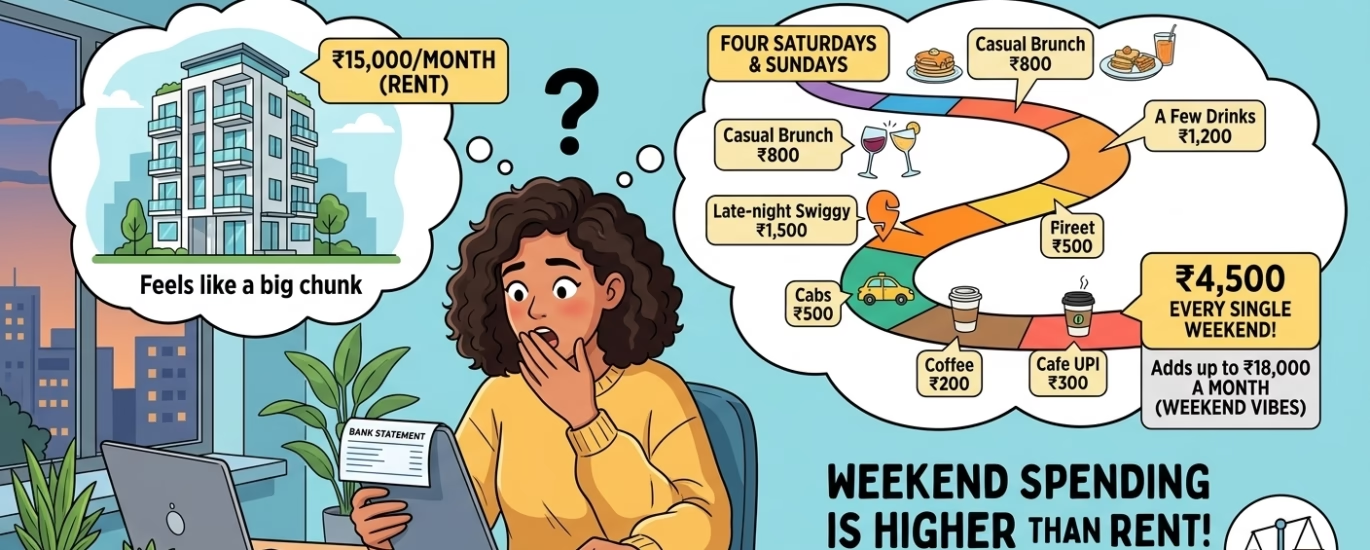
I looked at my bank statement last Sunday night, and for a second, I thought there was a glitch. I’m currently paying ₹15,000 for rent in a decent part of the city, which feels like a big chunk of my salary every month. But then, I did the math on my weekends.
Four Saturdays, four Sundays. A casual brunch here, a few drinks there, the inevitable late-night Swiggy order when I’m too tired to cook. It adds up to about ₹4,500 every single weekend. That’s ₹18,000 a month going exclusively toward “weekend vibes.”
It’s easy to judge someone spending that much on rent, but it’s remarkably easy to overlook spending even more on just eight days of the month.
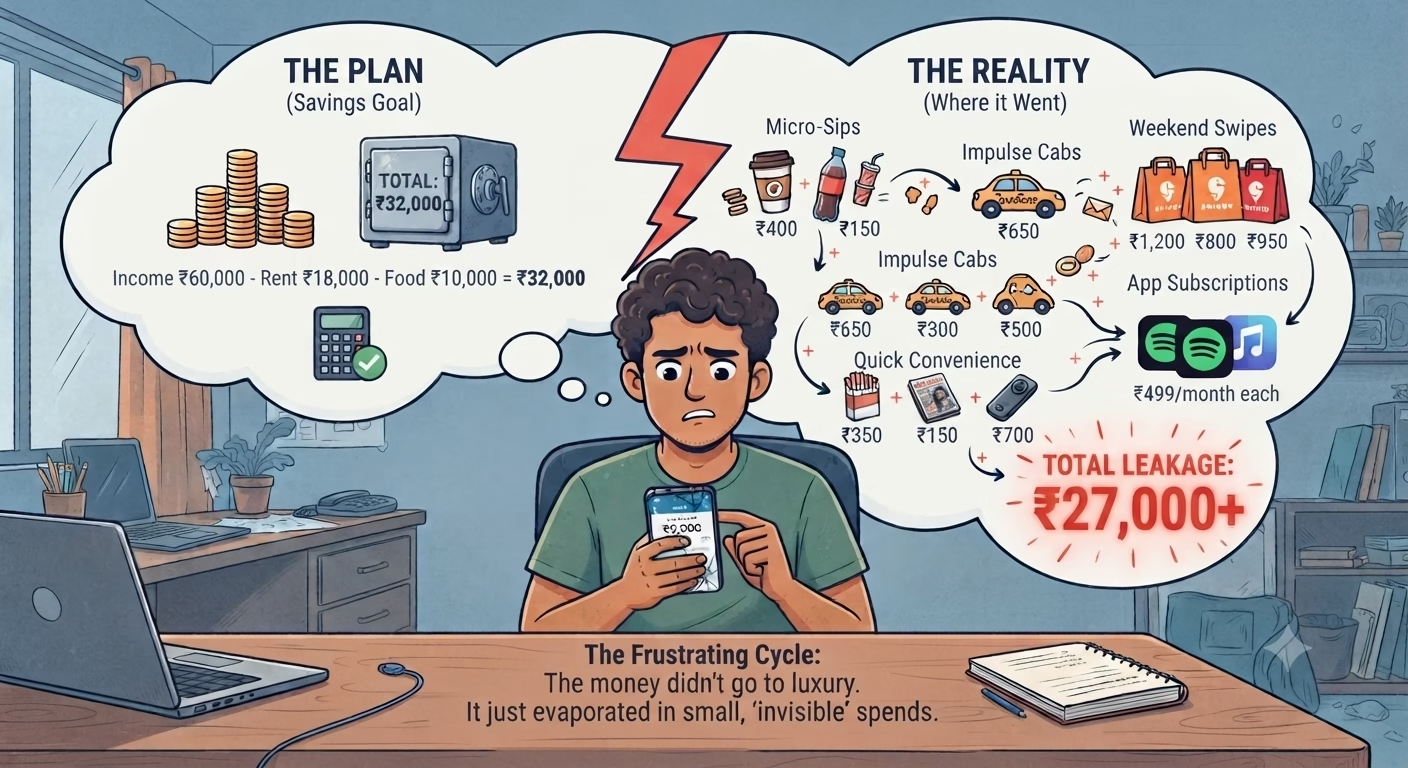
The trap of the ‘micro-spend’
The problem with weekend spending isn’t the big-ticket items. It’s the ₹4,500 that disappears without a trace. It’s the UPI transaction at a café, the cab ride back home because it’s late, and the coffee you grabbed while walking.
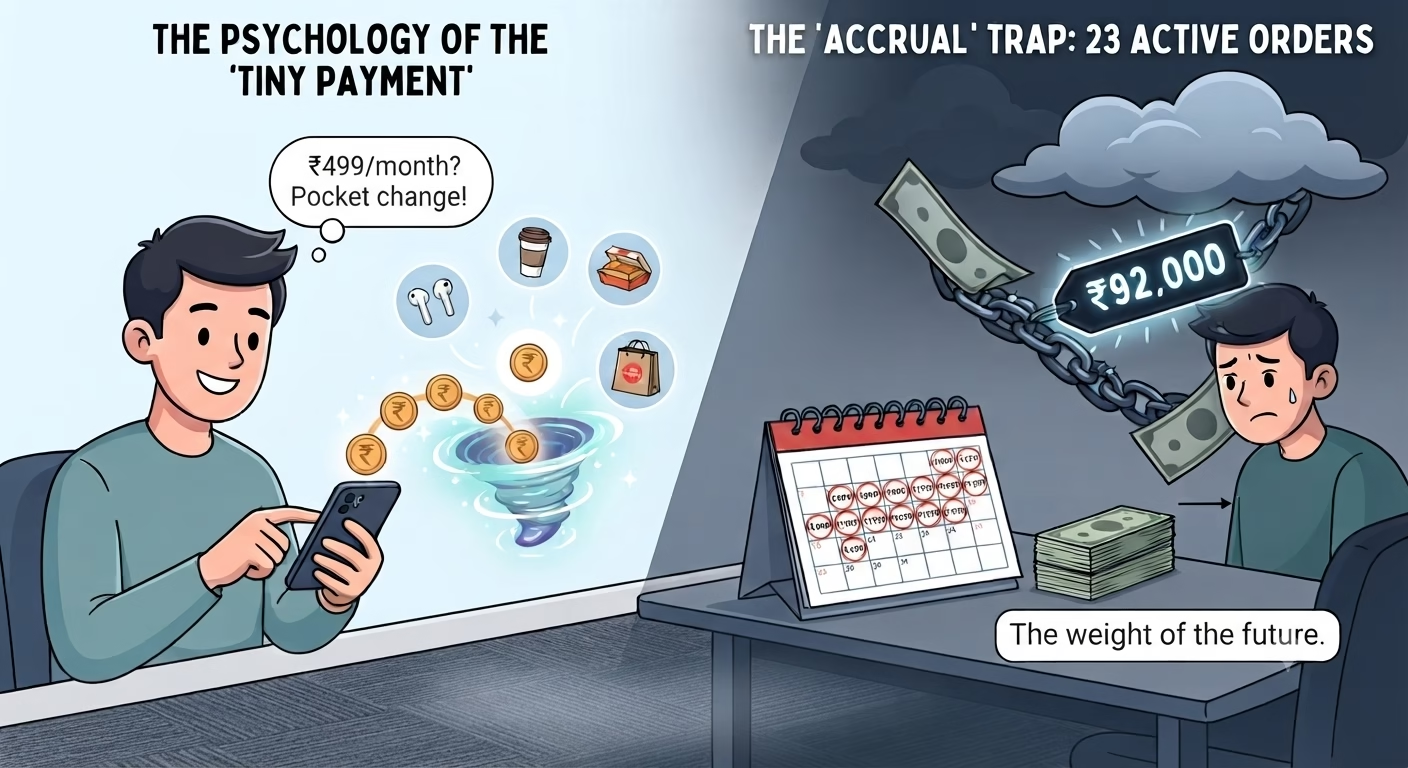
When you spend in small increments, your brain doesn’t register the total. You aren’t “spending ₹18,000.” You are “just grabbing a drink” or “ordering in once.” But the end result is that your bank balance takes a hit that is significantly larger than your biggest fixed monthly expense.
Why Saturday feels like one long night
There’s a weird psychological phenomenon where we treat the weekend as a “different” life. We feel like we’ve earned the right to loosen the purse strings because we worked hard for five days.
This is where the mindless spending happens. Because you’re trying to pack an entire week’s worth of socializing, relaxation, and indulgence into 48 hours, you end up spending at a much higher frequency than you do on a Tuesday. By the time Sunday evening rolls around, you’ve hit the threshold of your monthly rent without having a single tangible asset to show for it.
The power of manual tracking
I realized that the reason I didn’t see this pattern earlier was because I was relying on my bank’s SMS alerts. They come in too late, and they’re just noise.
I started using Expenzey to track my weekend costs in real-time. The act of manually entering “₹450 for coffee” or “₹1,200 for brunch” forces me to be present. You can’t ignore the math when you are the one putting the numbers into the app. It’s not about cutting out fun; it’s about choosing where that money goes instead of letting it leak out of your wallet through convenience.
Questioning the ‘convenience’ tax
If I’m being honest, about 30% of that ₹18,000 is spent just because I’m lazy. I order on Zomato not because I’m craving something specific, but because I don’t want to walk to the grocery store. I take a cab when I could have easily used the metro or walked.
Once I started tagging these as “convenience” in my expense logs, the pattern became undeniable. It wasn’t the socializing that was expensive; it was the friction I was paying to avoid. Expenzey helps me keep these labels simple, so I can see exactly where the “lazy tax” is hitting my budget every single month.
Shifting the weekend mindset
I’m not suggesting you turn your weekends into a spreadsheet exercise. That’s a fast track to burnout. Instead, try a simple rule: if you want to spend, spend. But be aware of the total before you step out the door.
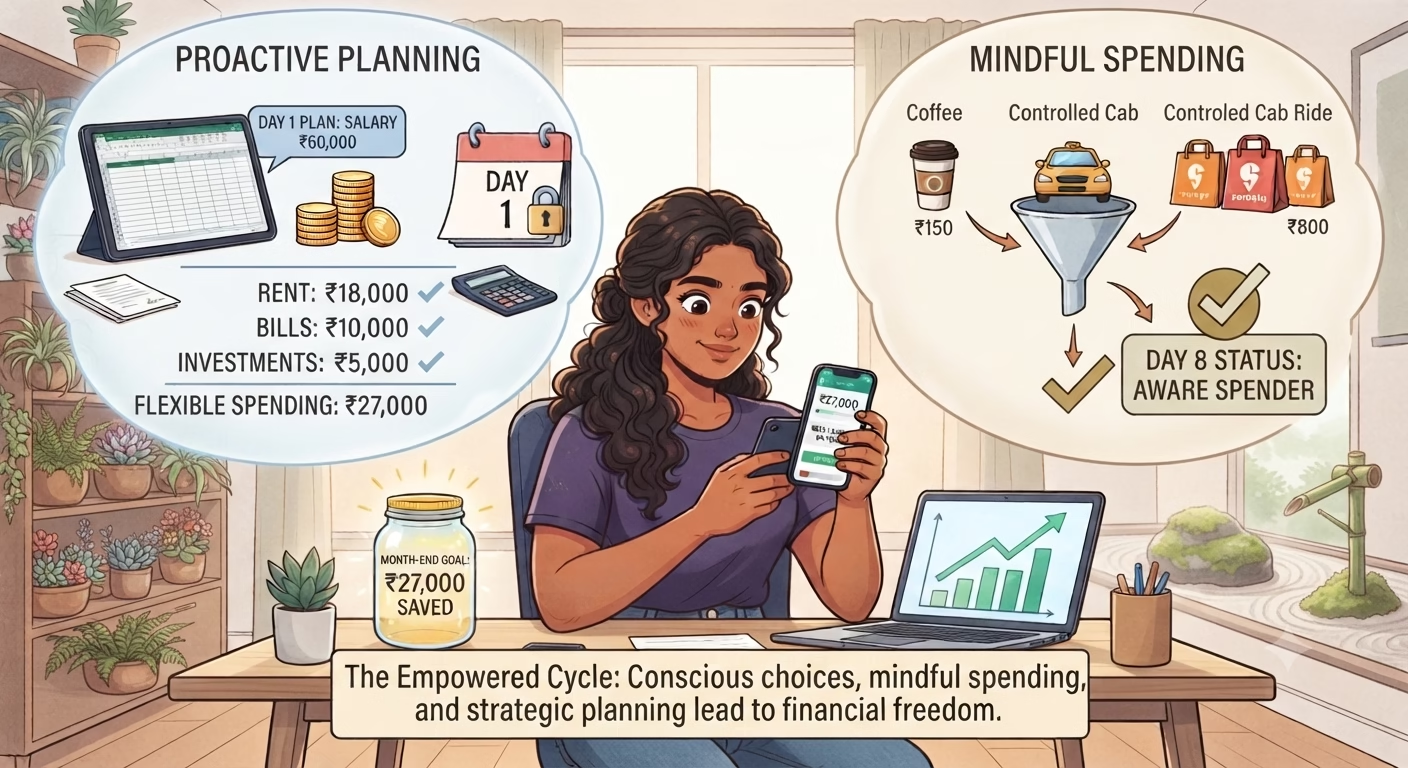
If I know my budget for the weekend is ₹3,000, I’m much more thoughtful about that third round of drinks or that late-night delivery. It’s not about restriction; it’s about conscious consumption. When you treat your weekend money as a finite resource, the quality of your experiences actually goes up because you’re no longer spending on autopilot.
Making the change sustainable
Tracking your money shouldn’t feel like a chore. If you find yourself avoiding your finance app, it’s probably because it’s too complex or it makes you feel bad about your choices.
That’s why I prefer a tool that’s private and simple. It’s just me and my numbers. No bank access, no intrusive ads, and no judgment. By simply acknowledging that my weekends were costing more than my housing, I managed to trim that ₹18,000 down by nearly a third without feeling like I was sacrificing my social life at all.
You don’t need to live like a monk to save money. You just need to know where the leaks are. Take a look at your last four weekends—you might be surprised at the rent-sized hole in your wallet, too.


I have been browsing online more than three hours today yet I never found any interesting article like yours It is pretty worth enough for me In my view if all website owners and bloggers made good content as you did the internet will be a lot more useful than ever before
This page contains an engaging overview from start to finish while browsing online and I look forward to reading more from you